On the banks of the Nile in Upper Egypt stands a city that was once the greatest on earth — a place where pharaohs commanded armies, priests whispered to gods, and stone was carved into eternity. Luxor is not merely a destination; it is a living archive of human ambition, faith, and artistry on a scale that still defies comprehension.
Luxor occupies the site of ancient Thebes, known to the Egyptians as Waset, a settlement that began to emerge along the east bank of the Nile around 3200 BCE. Initially a modest provincial town in the fourth nome of Upper Egypt, Waset gained strategic importance due to its position midway between the Nile Delta and the resource-rich lands of Nubia. Its early rulers, the nomarchs of the Theban region, slowly accumulated power during the chaotic First Intermediate Period, positioning themselves as the rightful heirs to a fractured kingdom and laying the groundwork for one of antiquity's most extraordinary political rises.
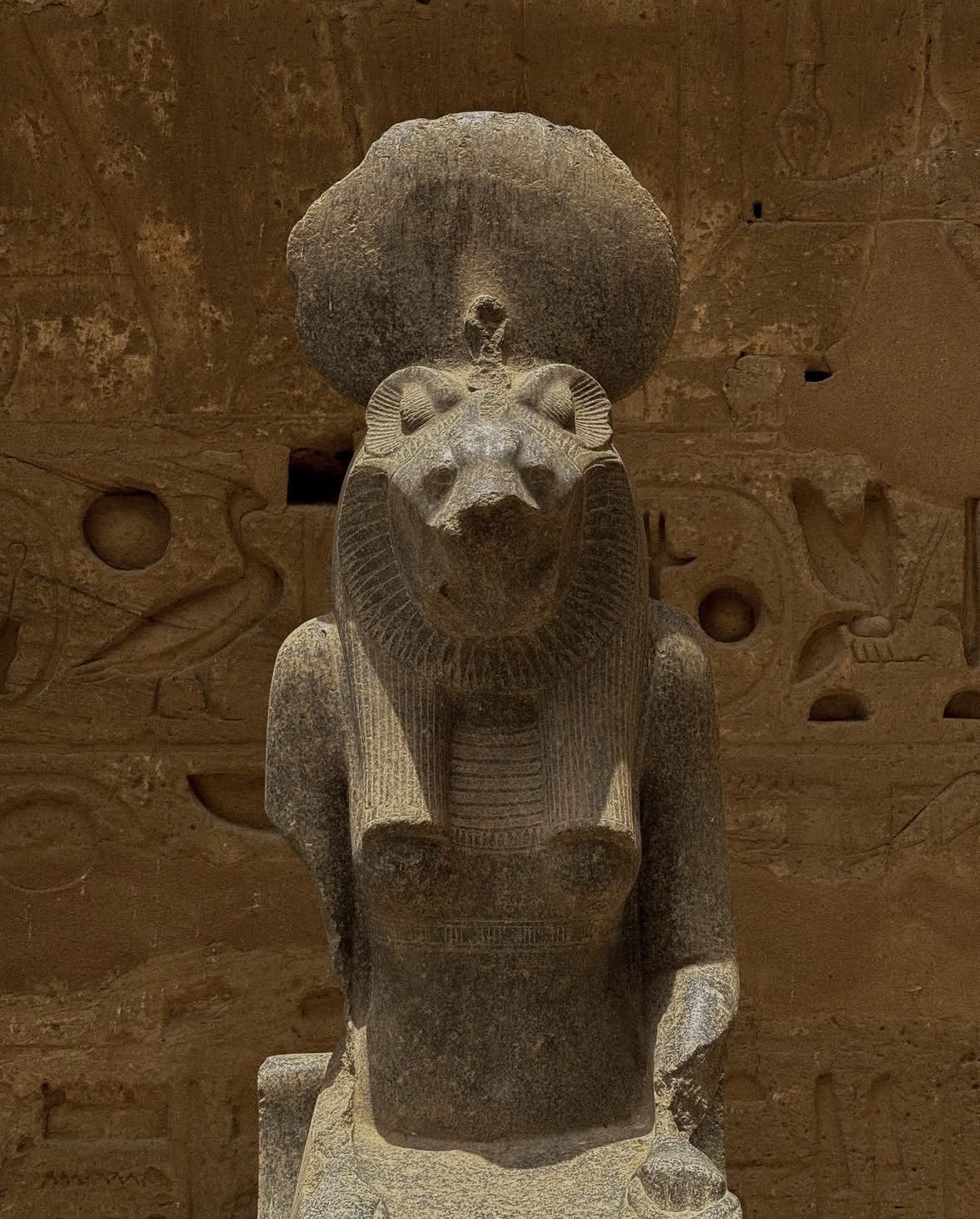
The city's transformation from regional outpost to imperial capital began around 2055 BCE when Mentuhotep II of the Eleventh Dynasty reunified Egypt after more than a century of political fragmentation. Thebes became the seat of royal power, and its local deity, the ram-headed Amun, was elevated to the status of king of the gods. Vast resources began pouring into the city's temples and royal mortuary complexes. By the time the Eighteenth Dynasty inaugurated the New Kingdom circa 1550 BCE, Thebes was unquestionably the religious, political, and cultural epicentre of the most powerful civilisation on earth.
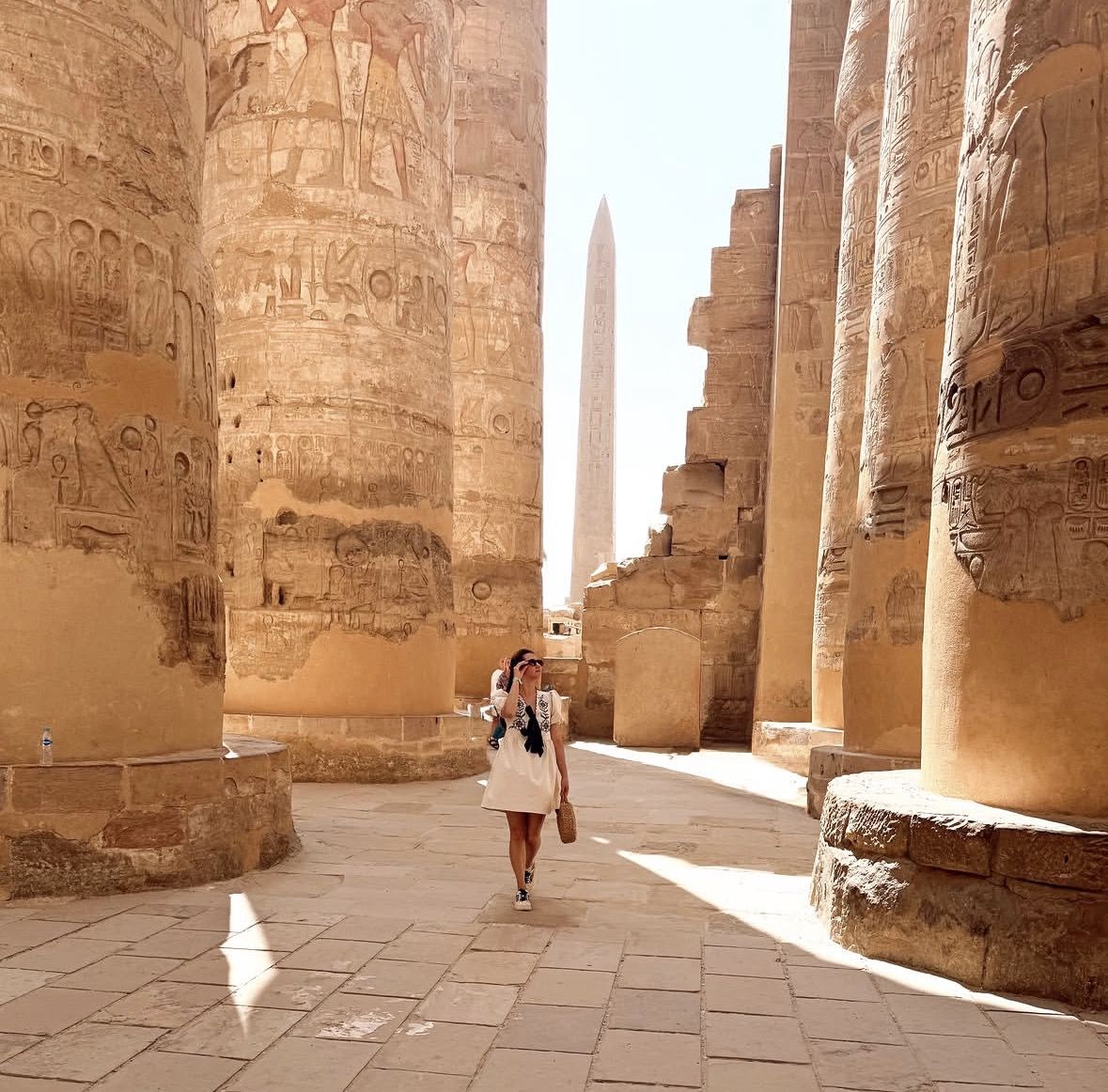
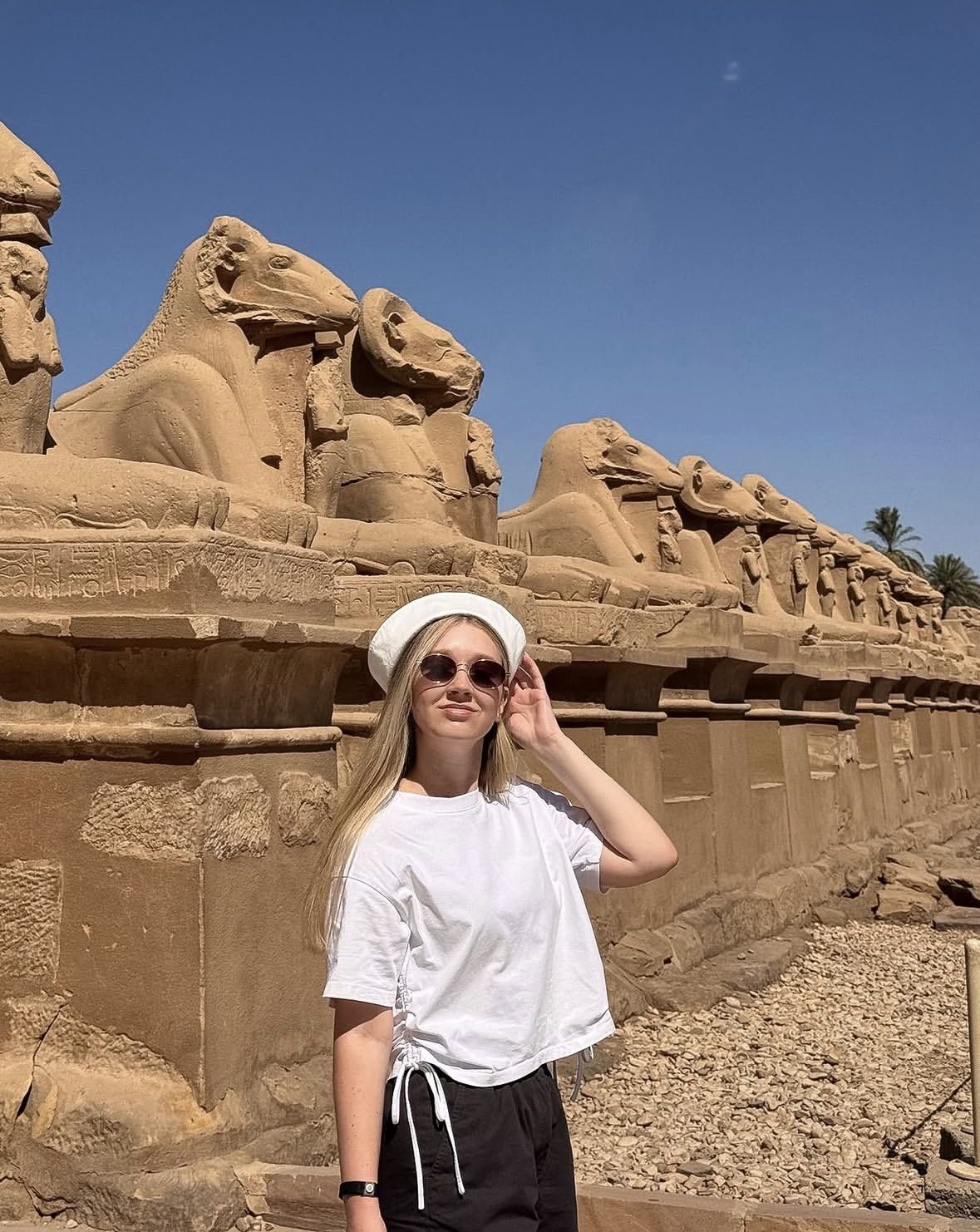
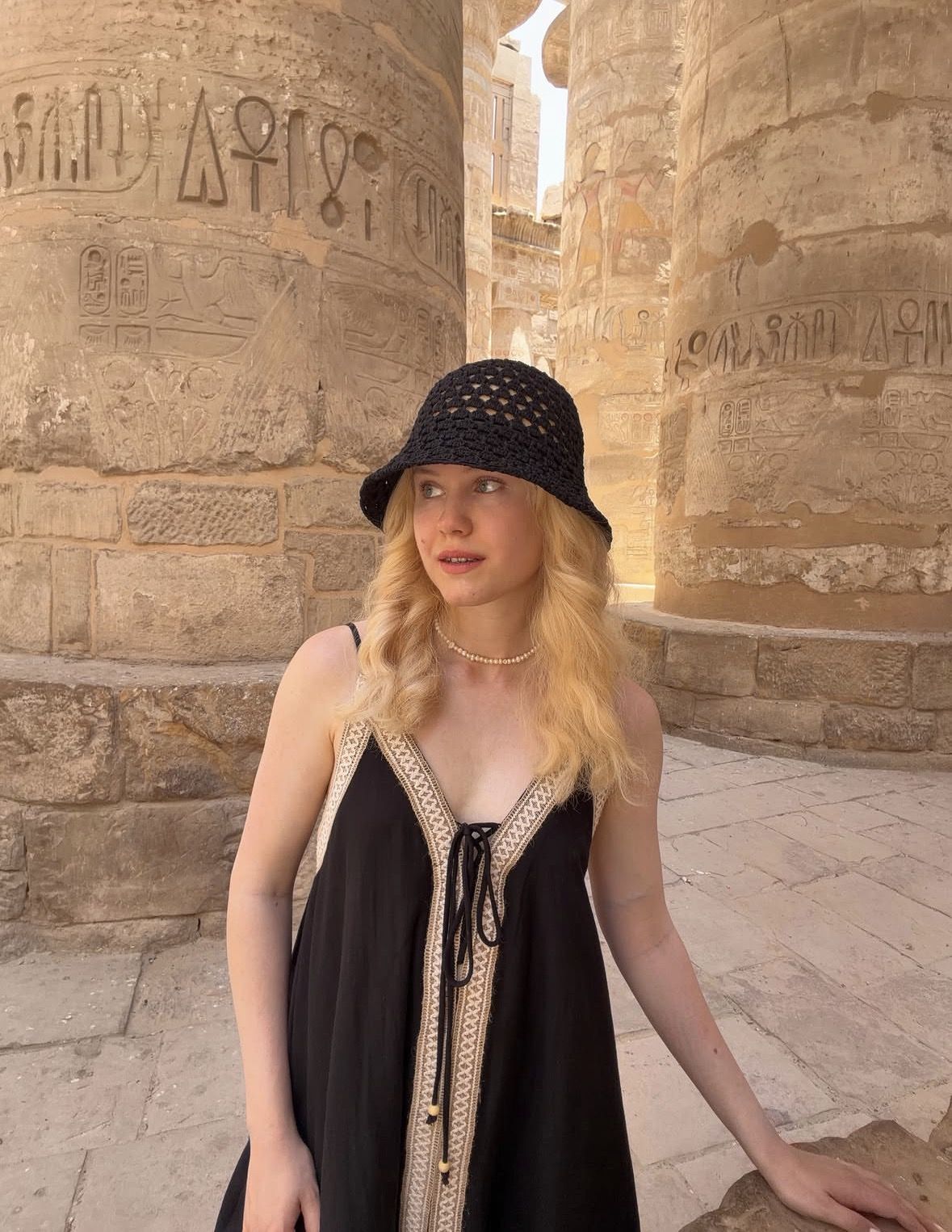
No city on earth contains a greater concentration of ancient monumental architecture than Luxor. The Karnak Temple Complex, begun under the Middle Kingdom and expanded by successive pharaohs for over 1,300 years, covers more than 100 hectares and remains the largest religious building ever constructed. Its Great Hypostyle Hall alone contains 134 massive sandstone columns arranged in 16 rows, some reaching 21 metres in height. Connected to Karnak by a 2.7-kilometre Avenue of Sphinxes, Luxor Temple was built primarily by Amenhotep III around 1390 BCE and later expanded by Ramesses II, who added the famous colossal seated statues that still flank the entrance today.
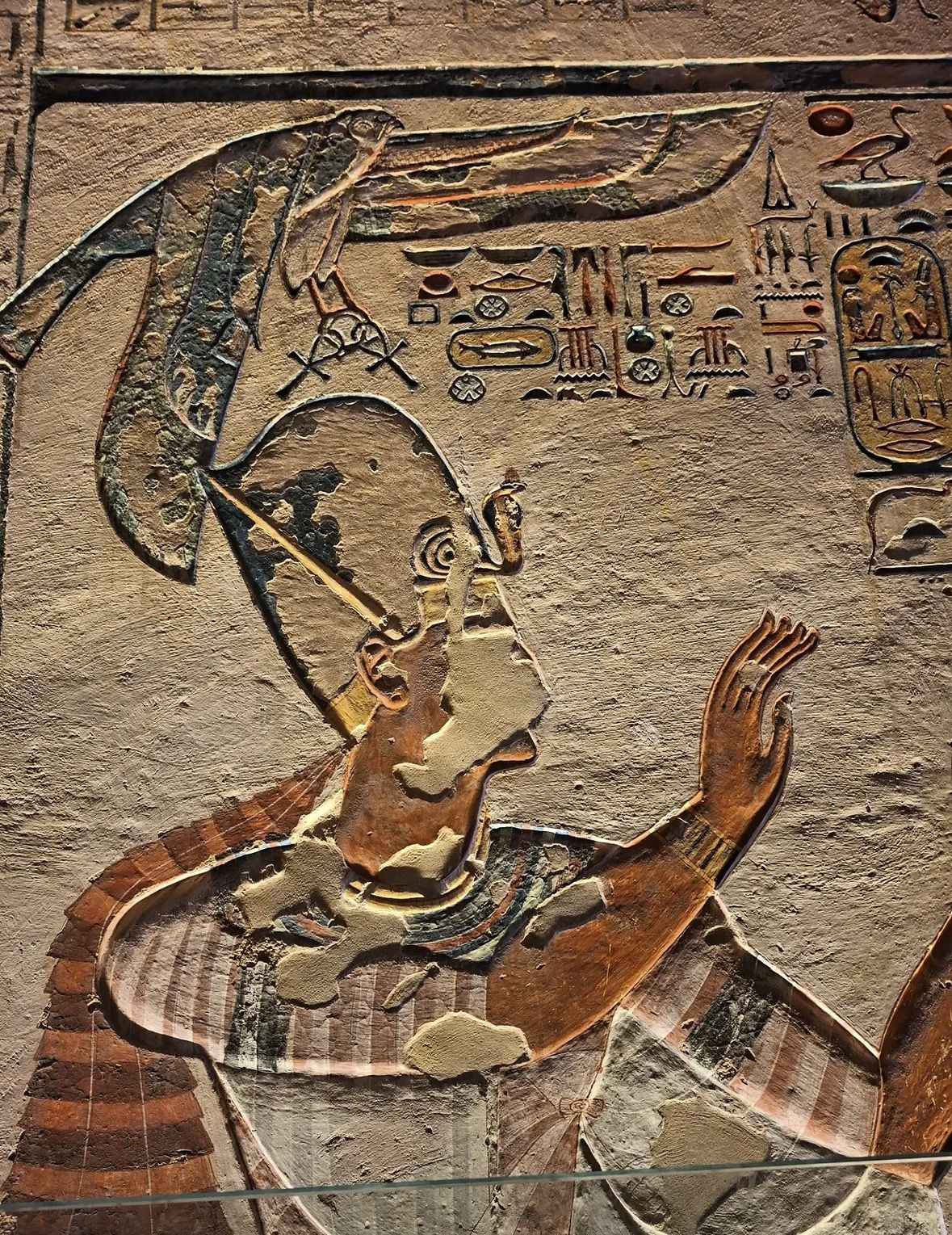
Across the Nile, the West Bank served as the realm of the dead, a vast necropolis where pharaohs, nobles, and artisans sought immortality in stone. The Valley of the Kings, used as the royal burial ground from approximately 1539 to 1075 BCE, contains at least 63 known tombs, including that of Tutankhamun, discovered by Howard Carter in November 1922 in what became archaeology's most celebrated find. The tomb yielded over 5,000 artefacts, including the iconic golden death mask, offering an unprecedented window into New Kingdom royal burial customs. Nearby, the Valley of the Queens holds more than 90 tombs, most notably the exquisitely painted burial chamber of Queen Nefertari.
The artisans who built and decorated these royal tombs lived in the village of Deir el-Medina, a remarkably well-preserved workers' settlement that offers intimate insight into everyday life in ancient Egypt. Workers recorded their grievances, absences, and even organised the world's first known labour strike around 1159 BCE under Ramesses III when their grain rations were withheld. The Mortuary Temple of Hatshepsut at Deir el-Bahari, built for Egypt's most powerful female pharaoh around 1479 BCE, rises in elegant colonnaded terraces against the limestone cliffs — a masterpiece of architectural harmony. The Colossi of Memnon, two 18-metre statues of Amenhotep III, have guarded the floodplain entrance to the West Bank for over 3,400 years.
Thebes endured centuries of foreign conquest that each left their mark on its extraordinary landscape. Alexander the Great passed through in 332 BCE following his liberation of Egypt from Persian rule, adding a sanctuary within Karnak dedicated to the god Amun. The Ptolemaic dynasty that followed continued building at Luxor Temple, blending Greek and Egyptian traditions. Under Roman rule, Luxor Temple was converted into a fortress and later a church; a beautifully preserved Roman fresco was discovered beneath centuries of sediment in the 1990s. The Arab conquest of Egypt in 641 CE brought Islam to the region, and the city gradually became known as Al-Uqsur, meaning 'the palaces' or 'the fortifications', eventually corrupted into the name Luxor.
European fascination with ancient Egypt reached fever pitch following Napoleon Bonaparte's Egyptian campaign of 1798, which included a team of 167 scholars who systematically documented the monuments of Thebes in the monumental publication Description de l'Égypte. The decipherment of hieroglyphics by Jean-François Champollion in 1822, using the Rosetta Stone as his key, unlocked the written history of ancient Egypt and sparked a global obsession. European powers competed aggressively to acquire Egyptian antiquities throughout the nineteenth century; the obelisk that once stood at Luxor Temple's entrance now stands in the Place de la Concorde in Paris, gifted to France in 1833. This era of trophy-hunting prompted Egypt to eventually assert sovereignty over its own heritage.
The modern science of Egyptology took root in Luxor, transforming plunder into scholarship. The Egyptian Antiquities Service, established in 1858 under Auguste Mariette, began systematically excavating and protecting sites across the Theban region. Howard Carter's meticulous seven-year excavation of Tutankhamun's tomb between 1922 and 1932 set new standards for archaeological rigour and captivated the world with daily newspaper dispatches. The establishment of the Luxor Museum in 1975 gave the city a world-class institution to house and contextualise its treasures locally. Ongoing excavations continue to yield discoveries, including a major ancient city found by archaeologist Zahi Hawass in 2021 near the West Bank, described as the largest ancient city ever uncovered in Egypt.
Modern Luxor is a city of roughly 500,000 people where the ancient and contemporary exist in constant, remarkable dialogue. Farmers still work fields adjacent to pharaonic temples. The sound of the call to prayer drifts across the same river that carried the funeral barges of kings. Luxor's East Bank hosts the lively souk, the elegant Corniche promenade, and Karnak and Luxor Temples illuminated nightly in spectacular sound-and-light shows. The West Bank remains quieter and more atmospheric, its villages clustered among the hills that conceal thousands of unexcavated tombs. In 2021, the full 2.7-kilometre Avenue of Sphinxes was reopened after decades of restoration work, reconnecting the two great temple complexes for the first time in 1,000 years.
For travellers, Luxor delivers an experience that is genuinely irreplaceable — a place where standing inside a 3,400-year-old painted tomb or watching sunrise over the Valley of the Kings produces the particular, humbling sensation of touching human history directly. Arrive by Nile cruise from Aswan or Cairo, ride a felucca at dusk, rent a bicycle to explore the West Bank at your own pace, or engage a knowledgeable local guide who can transform hieroglyphic-covered walls into vivid human stories. Whether you are a dedicated archaeologist, a curious first-time visitor, or a seasoned traveller who thought they had seen it all, Luxor has a proven, four-millennia-old habit of exceeding every expectation.
Ready to Experience It Yourself?
Luxor's temples, tombs, and timeless Nile landscapes are best experienced with someone who knows their secrets — book a guided tour today and walk in the footsteps of pharaohs. From private West Bank excursions to full Nile cruise packages, there is a perfect Luxor itinerary waiting for you. Don't just read history; stand inside it.
Book Your Tour Now