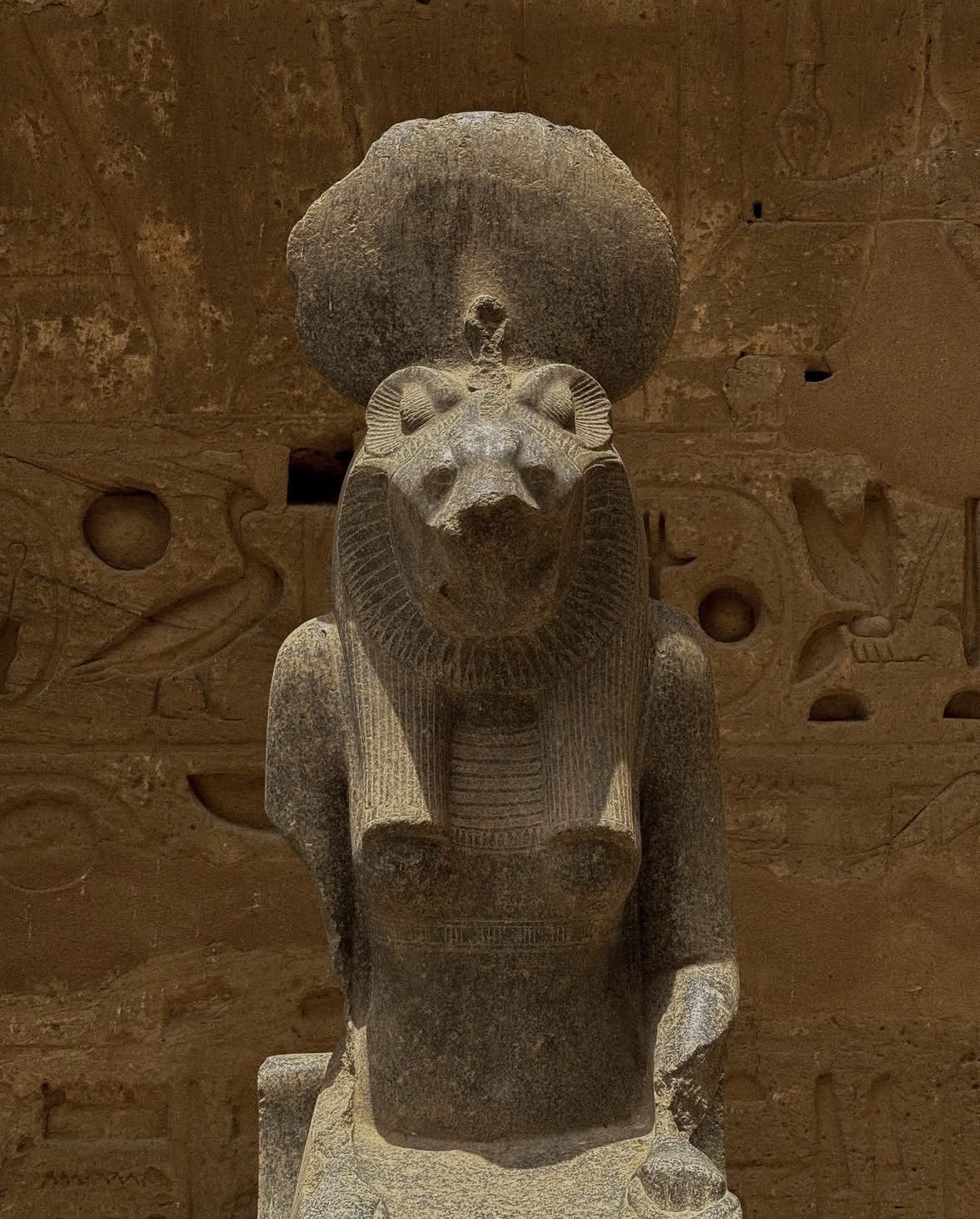
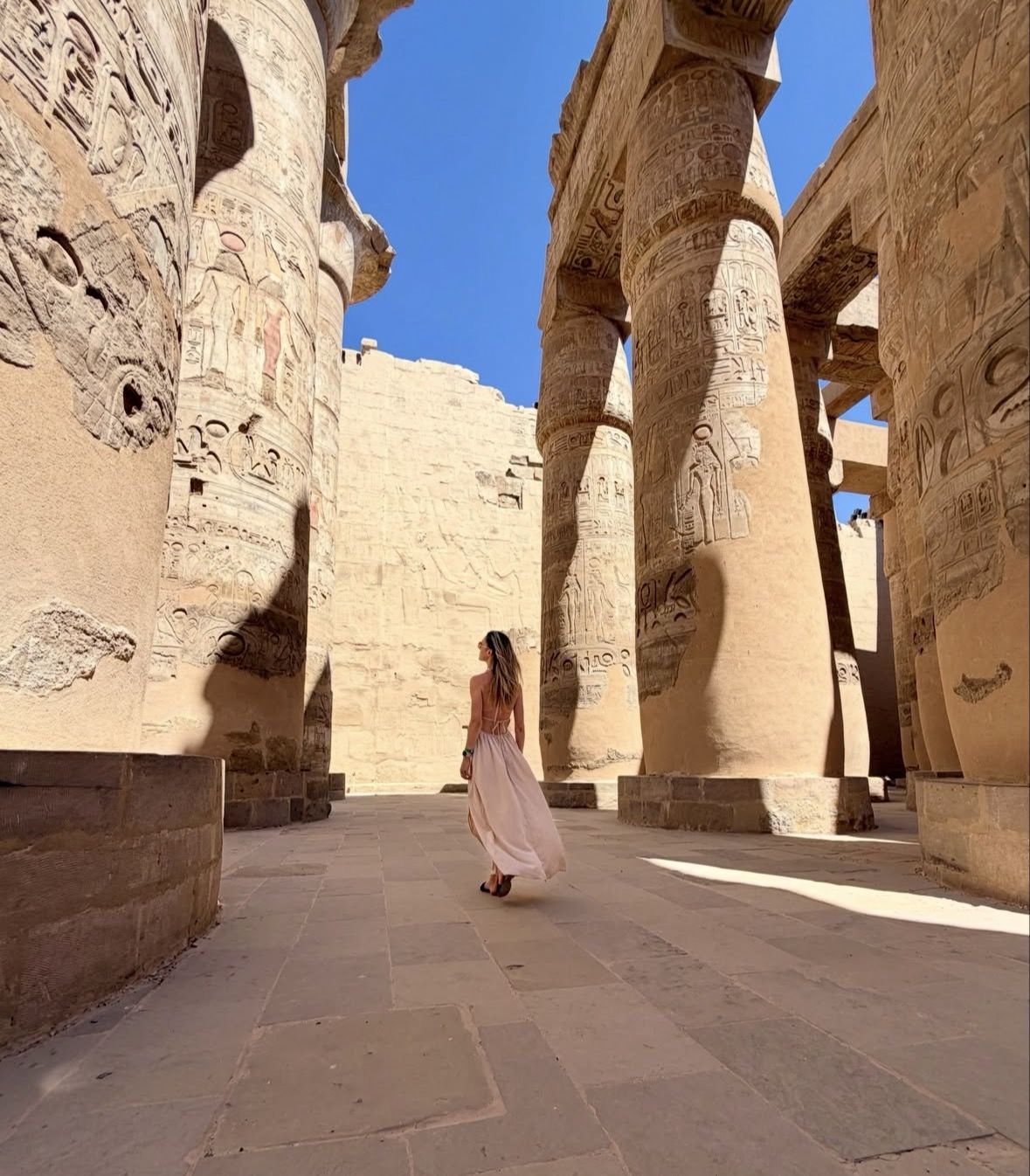
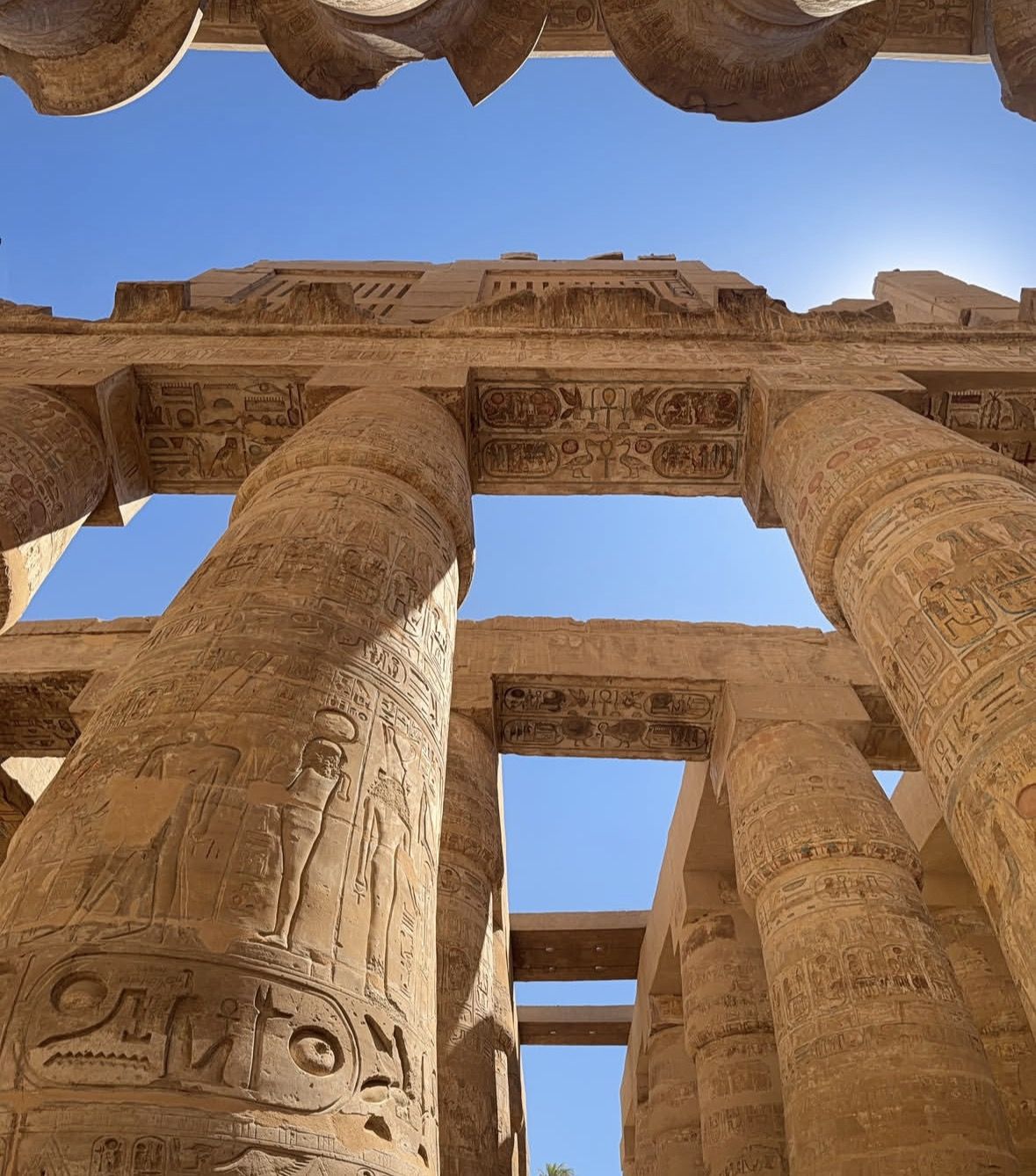
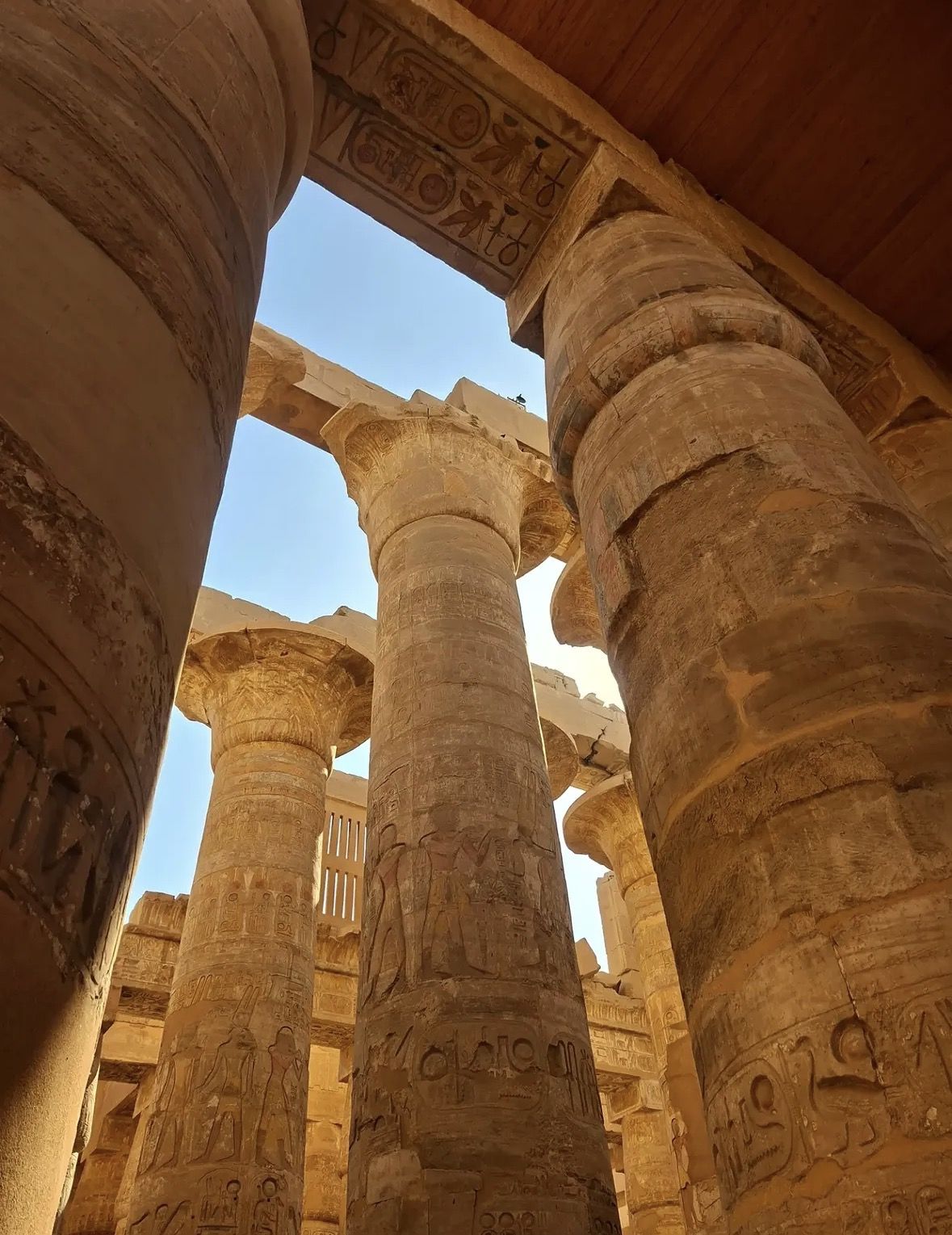
Stand where pharaohs once ruled and priests performed sacred rites beneath an eternal sun. From towering temple complexes to rock-cut royal tombs, this legendary city on the Nile offers a journey through 4,000 years of civilisation.
Featured Tour
The Full Day Tour to East and West Banks of Luxor is the definitive way to experience this legendary city. In a single action-packed day, you'll stand before the colossal columns of Karnak Temple, wander the sacred courtyards of Luxor Temple, descend into the painted corridors of the Valley of the Kings, and gaze up at the terraced splendor of Hatshepsut's Temple. Led by an expert Egyptologist guide, every site comes alive with stories of pharaohs, gods, and timeless rituals that shaped one of humanity's greatest civilizations.
About the Destination
Perched on the east bank of the Nile in Upper Egypt, this storied city sits roughly 670 km south of Cairo. Its strategic position between two UNESCO World Heritage sites — the ancient city of Thebes on the east and the Theban Necropolis on the west — makes it the undisputed heart of Egypt's pharaonic heritage.
Situated in Upper Egypt, Luxor straddles both banks of the Nile River at latitude 25.7°N. The city is divided naturally by the great river: the east bank buzzes with modern life, vibrant souks, and monumental temples, while the west bank is dominated by the silent desert plateau hiding royal necropolises and mortuary temples. Surrounded by golden limestone cliffs and fertile floodplains, the landscape itself feels like a living museum. Neighbouring cities include Esna to the south and Qena to the north.
Known in antiquity as Waset and later as Thebes, this city served as the capital of Egypt during the New Kingdom period (circa 1550–1070 BCE), when it was arguably the most powerful metropolis on Earth. Pharaohs including Ramesses II, Tutankhamun, and Hatshepsut built their legacies here, commissioning colossal temples and elaborate underground tombs. The ancient Greeks were so awed by its wealth and grandeur that Homer described it as a city with '100 gates.' Millennia of history are compressed into a remarkably compact area.
Visiting today feels nothing short of transformative. Travellers move seamlessly between living city and ancient ruin — browsing spice markets in the morning and standing inside a 3,300-year-old tomb by afternoon. The luxor east and west bank tour is the classic way to experience both sides of the Nile, covering Karnak, Luxor Temple, the Valley of the Kings, and the Colossi of Memnon. Felucca rides at sunset, hot-air balloon flights over the west bank, and leisurely horse-carriage evenings round out an extraordinary visitor experience.
The Theban region alone contains over 100 individual ancient monuments, temples, and tomb complexes. No other city on Earth concentrates this density of pharaonic heritage within such a small geographic area.
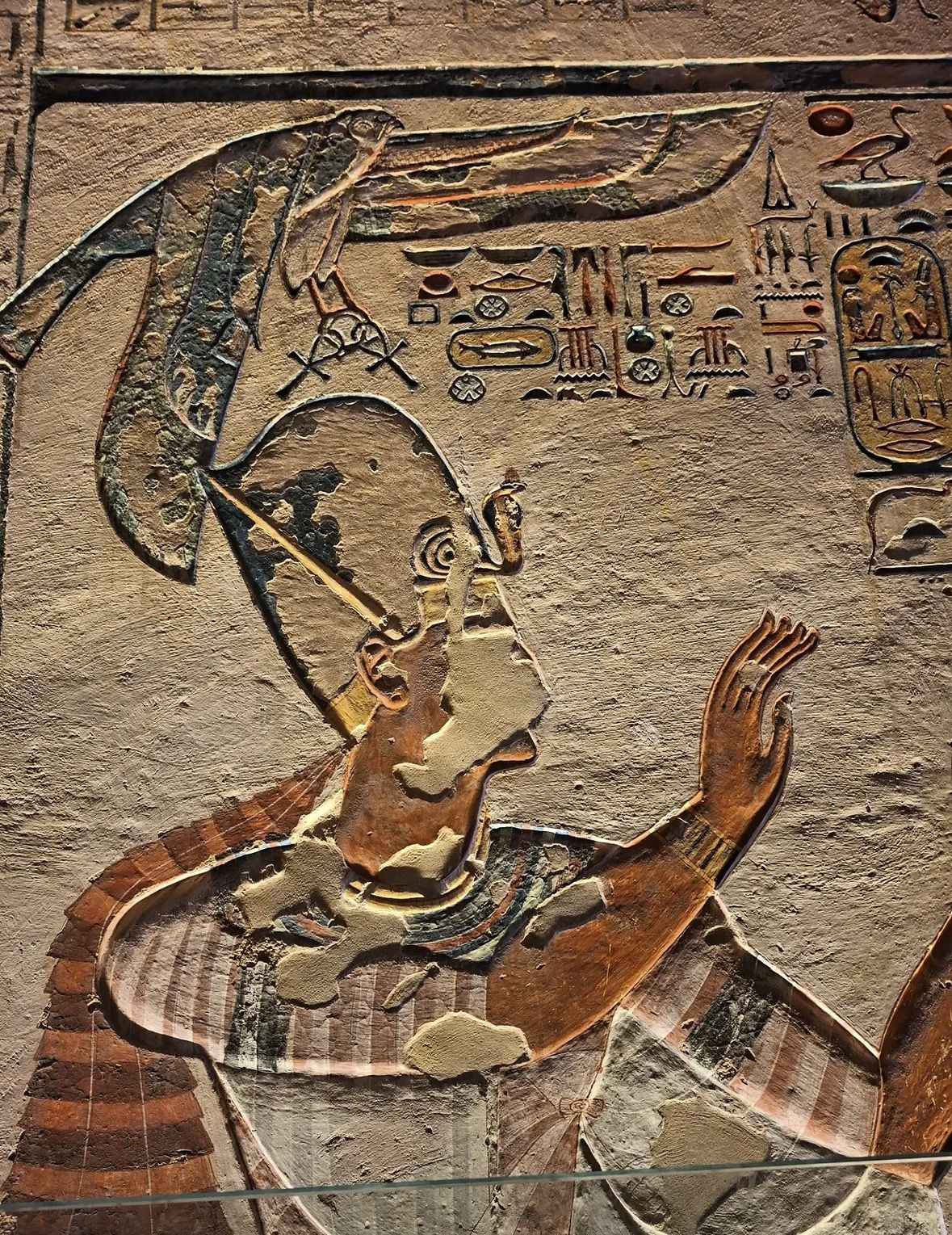
The Valley of the Kings holds 62 known royal tombs, carved deep into the limestone cliffs of the west bank. Each tomb was designed as a secret gateway to the afterlife, decorated with vivid religious texts and paintings.
This city is widely considered the world's top destination for hot-air ballooning over ancient ruins. Dozens of balloons ascend at dawn each morning, offering breathtaking aerial views of temples and the Nile floodplain.
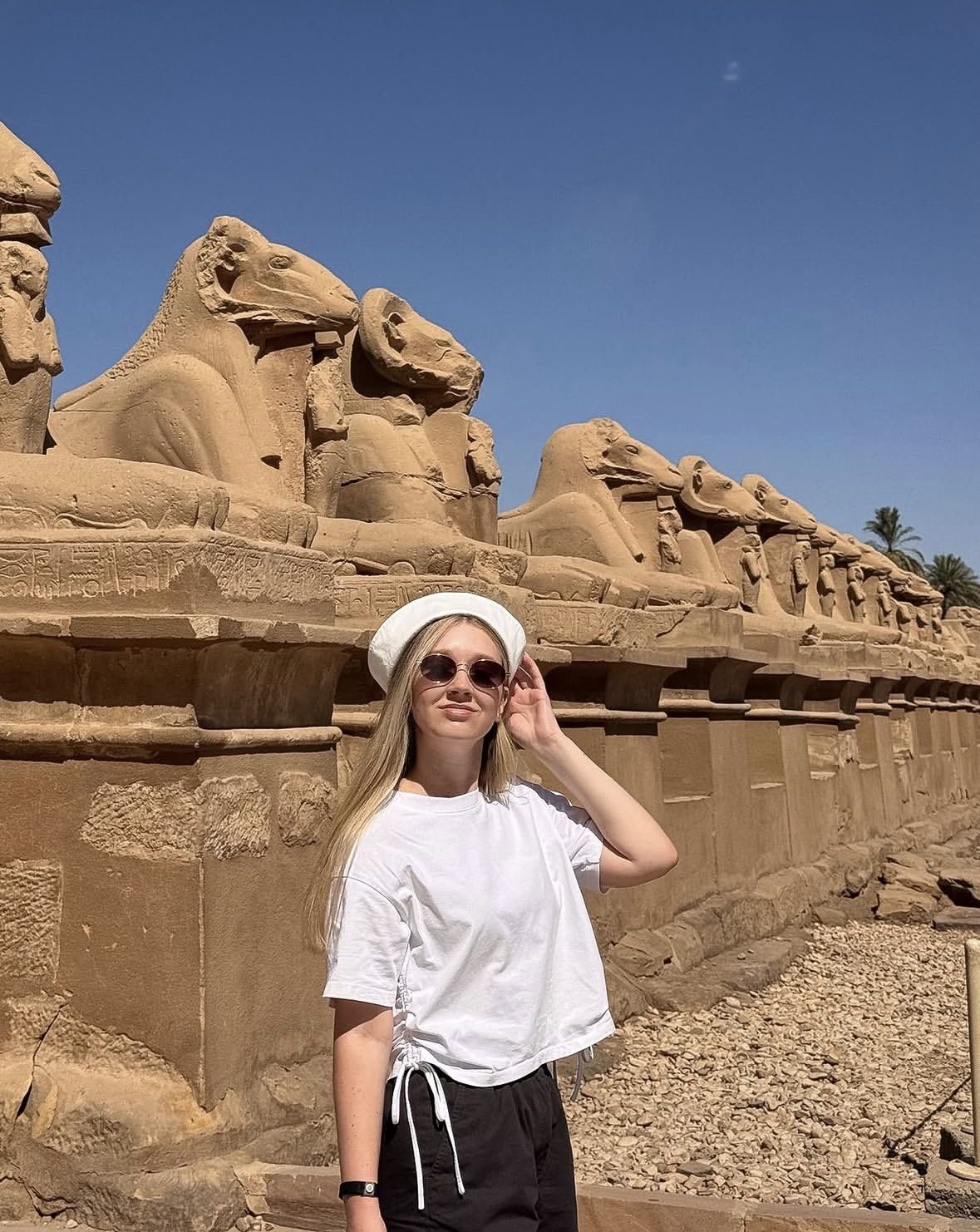
The recently restored Avenue of Sphinxes stretches nearly 2 kilometres, linking Karnak Temple to Luxor Temple. The 1.7-km processional road is flanked by over 1,000 sphinx statues and reopened to great fanfare in 2021.
More than 300 Nile cruise vessels operate routes between Aswan and this city, making the aswan to luxor cruise with abu simbel tour one of Egypt's most beloved travel experiences. The cruise typically takes three to four nights.
The city enjoys approximately 320 sunny days annually, making it one of the sunniest places on the planet. This reliable sunshine is ideal for sightseeing almost year-round, though summer temperatures can exceed 40°C.
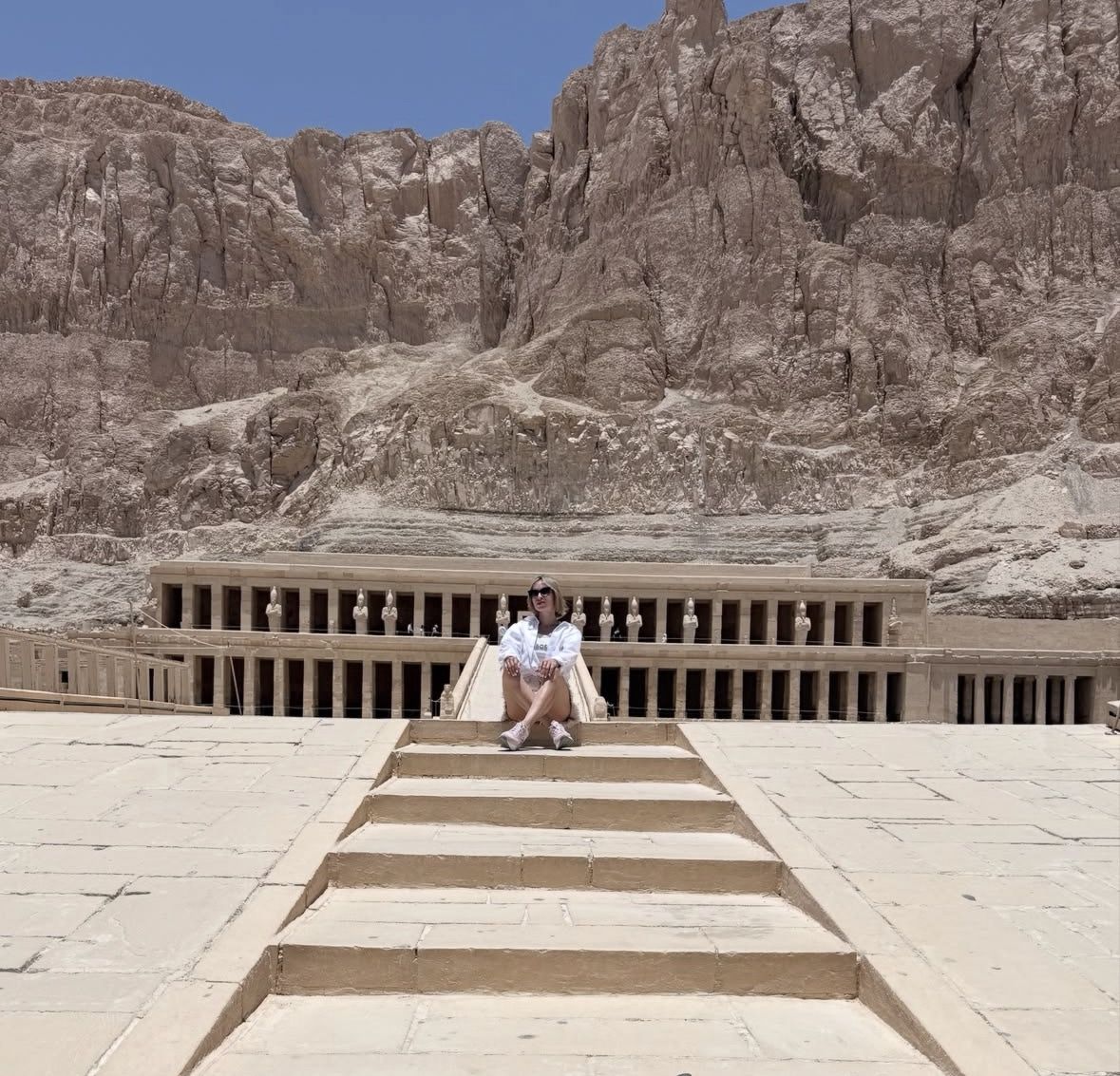
The luxor west bank tour is a must for any serious history enthusiast, covering the Valley of the Kings, Queen Hatshepsut's mortuary temple at Deir el-Bahari, and the Colossi of Memnon. Half-day and full-day guided options are widely available from the east bank ferry landing.
Rising silently over the west bank cliffs at sunrise is one of Egypt's most magical experiences. Certified operators launch dozens of balloons daily, offering 45-to-60-minute flights with panoramic views of temples, farmland, and the winding Nile far below.
A traditional wooden felucca sailboat offers a gentle, unhurried way to appreciate the river landscape. Short sunset cruises departing from the corniche provide lovely views of both banks, and longer overnight voyages toward Esna or Edfu are also bookable.
The luxor horse carriage tour is a beloved local tradition — clip-clopping past illuminated temples and through busy evening streets as vendors call out from doorways. It's an affordable and atmospheric way to see the city after dark, best booked through reputable guides to ensure fair pricing.
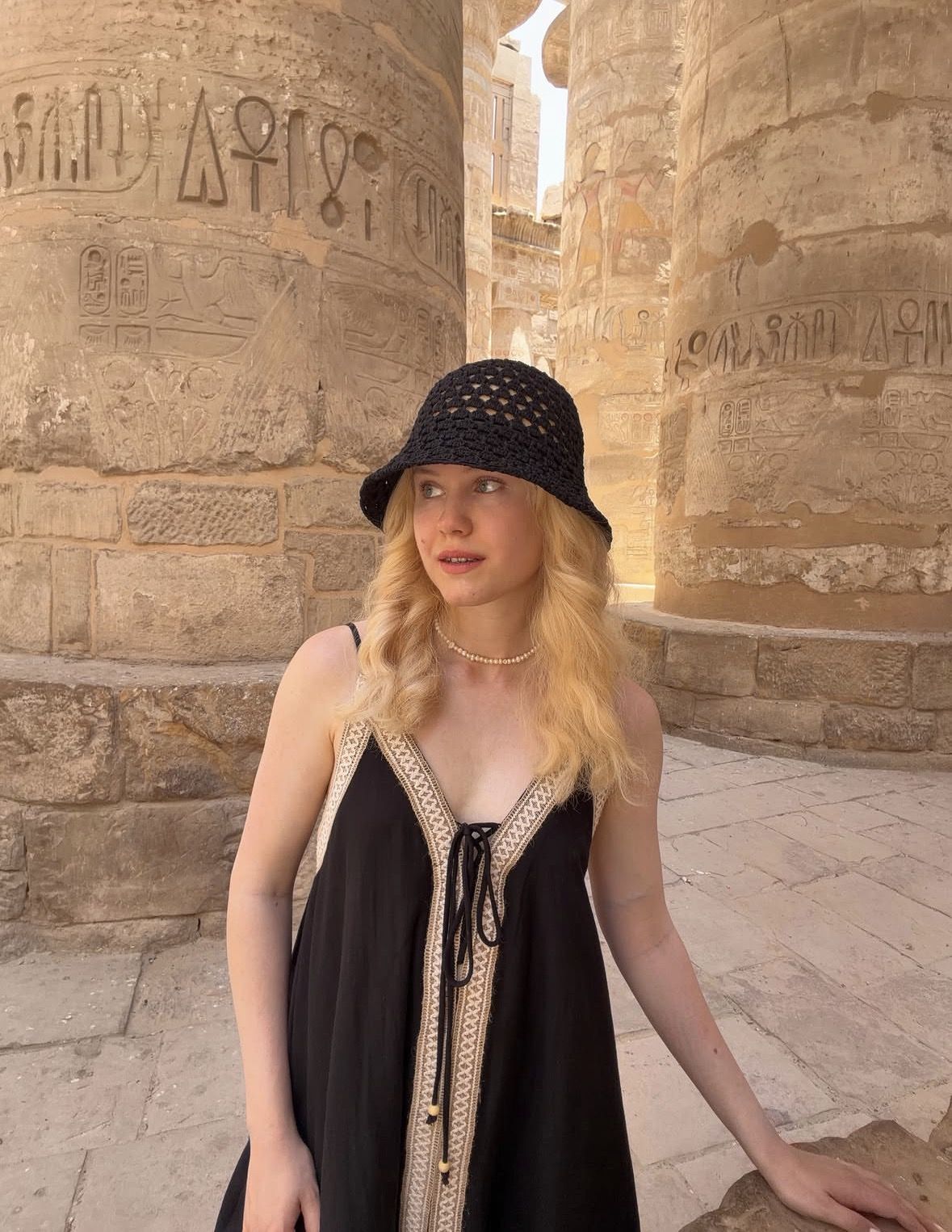
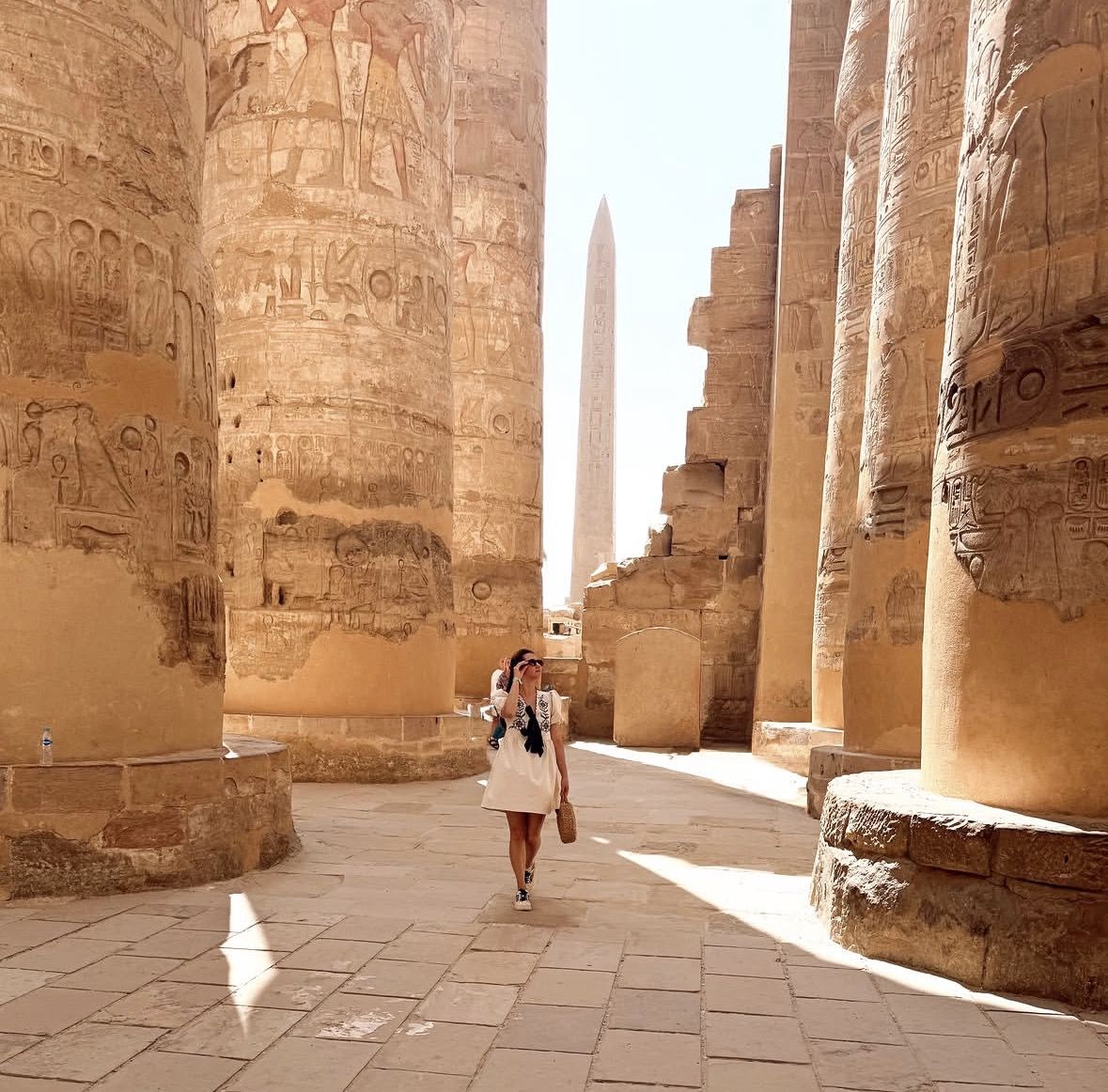
Each evening, Karnak Temple transforms into an outdoor theatre as coloured lights and dramatic narration trace the rise of the New Kingdom pharaohs. The show guides visitors along the sacred lake and through towering hypostyle halls — a genuinely spine-tingling experience.
The east bank souk is a sensory feast of spices, papyrus, and handcrafted jewellery. A short drive into the west bank hills leads to alabaster workshops where artisans carve scarabs and canopic jars using techniques unchanged for generations — ideal for authentic, handmade souvenirs.
Weighing your options? Here's how Egypt's open-air museum stacks up against other world-class archaeological destinations.
Choosing between the world's great ancient cities is never easy — each offers its own blend of scale, atmosphere, and accessibility. Luxor delivers an unmatched concentration of monuments within a compact, navigable area, but travellers may also consider Jordan's Petra, Greece's Athens, or Cambodia's Angkor. Understanding how these destinations differ in crowd levels, cost, and character helps you decide which experience best matches your travel style and budget.
| Crowds | Price | Best For | What Sets It Apart | |
|---|---|---|---|---|
| ★ Luxor | Moderate — manageable outside peak season | Budget-friendly; excellent value guided tours | History lovers, Nile cruisers, archaeology fans | Highest density of ancient monuments on Earth |
| Petra, Jordan | Moderate to High in spring/autumn | Mid-range; entrance fee is steep | Trekkers, photographers, adventure seekers | Rose-red rock-carved city; dramatic canyon scenery |
| Athens, Greece | Very High year-round at the Acropolis | Mid to High; European pricing | Classical history, city breaks, island-hoppers | Iconic Acropolis plus vibrant modern urban culture |
| Angkor, Cambodia | High at sunrise; quieter at midday | Budget-friendly with cheap local food | Jungle temple explorers, Southeast Asia itineraries | Vast jungle-covered Hindu-Buddhist temple complex |
Petra wows with dramatic desert scenery, Athens dazzles with classical legacy, and Angkor impresses with its jungle scale — but nowhere else on Earth can you walk among 62 royal tombs, two colossal temple complexes, and a sphinx-lined avenue all within a single city. For sheer archaeological density and affordability, Luxor remains in a league of its own.
Travel Guide
Everything you need to plan the perfect trip — transport, timing, packing, and local insider knowledge.
Luxor International Airport (LXR) receives direct charter and scheduled flights from major European cities as well as domestic connections from Cairo and Sharm el-Sheikh. Travellers on a cairo to luxor tour by train enjoy a scenic overnight rail journey on Egypt's rail network — a memorable and affordable option. Flying from Hurghada takes under an hour, making the luxor tour from hurghada a popular same-day excursion or short overnight trip.
Once inside the city, taxis and ride-hailing apps are the easiest way to move between sights. Ferries cross the Nile to the west bank in minutes and cost just a few Egyptian pounds. Minibuses and microbuses connect major neighbourhoods cheaply, while private drivers can be hired for half or full days through your hotel or a reputable tour operator. Cycling along the corniche at dusk is a relaxed local favourite.
October through April is the sweet spot for visiting, when daytime temperatures hover between a comfortable 20–28°C and evenings turn pleasantly cool. December and January see the highest tourist numbers but also the most organised guided tour of the pyramids and luxor combined packages departing from Cairo. March and April offer slightly fewer crowds with still-mild weather, making them excellent shoulder-season choices for independent travellers.
Summers (June–August) are ferociously hot, regularly topping 40°C, and sightseeing in direct sun becomes genuinely taxing. The brief spring transition in April–May brings sandstorms called khamasin winds that can reduce visibility. Ramadan (dates vary annually) creates a unique cultural atmosphere — some restaurants close by day but evening celebrations are vibrant. The Nile flooding season is ancient history thanks to the Aswan High Dam, so riverside conditions remain stable all year.
Layers are your best friend — mornings at the Valley of the Kings can be brisk in winter, while midday temperatures rise sharply regardless of season. Comfortable, closed-toe walking shoes are essential given the uneven stone surfaces inside tombs and temple precincts. A small daypack keeps your hands free while carrying water, sunscreen, and a camera for those golden-hour shots at Karnak or the Avenue of Sphinxes.
Egypt is a conservative country, so respectful clothing goes a long way — loose-fitting trousers or maxi skirts and shirts that cover shoulders are appreciated at religious sites and in local markets. A lightweight scarf doubles as sun protection and a temple cover-up. Photography inside certain tombs requires a paid permit, so budget accordingly. Carry small denomination Egyptian pound notes for tipping, as exact change is rarely available from vendors.
Bargaining is expected in the souk and with independent taxi drivers — start at roughly 40% of the asking price and work upward with a smile. Tipping (baksheesh) is deeply embedded in local culture; a small tip for tomb guards who unlock additional chambers or provide torchlight assistance is considered polite and appreciated. Always greet locals with 'As-salamu alaykum' — the warm response this earns opens doors and enriches the experience.
Egyptian food in the city is delicious and affordable — don't miss ful medames (spiced fava beans), koshary, and fresh-baked baladi bread from street stalls. Drink only bottled water, and avoid raw salads at budget eateries early in your trip while your stomach adjusts. Most ATMs in the city centre accept international cards; exchange currency at banks for better rates than hotel desks. The luxor hurghada combined tour often includes lunch, so confirm inclusions when booking.
No mandatory vaccinations are required for Egypt, but the UK and US travel health authorities recommend being up to date on hepatitis A, typhoid, and routine immunisations before travel. Heat-related illness is a genuine risk in summer — symptoms of heat exhaustion include dizziness, rapid heartbeat, and nausea. If you plan an aswan to luxor cruise with abu simbel tour, ensure your travel insurance covers Nile boat travel and any medical evacuation requirements.
The city is generally safe for tourists, but petty scams around popular sites do occur — common ones include 'free' gifts that require payment or unofficial 'guides' attaching themselves to solo travellers. Keep copies of your passport and travel insurance in your hotel safe. Egypt's emergency number is 123 (police) and 123/124 (ambulance). Several private hospitals on the east bank offer good-quality care; ask your hotel for the nearest recommended clinic.
Explore More
From sailing the Nile to exploring Nubian temples, the region around this ancient city is packed with unmissable day trips and multi-day extensions.

The Full Day Tour to East and West Banks of Luxor is the definitive way to experience this legendary city.
Check this tour →
The Full Day Tour of Luxor private is the definitive way to experience one of the world's most remarkable open-air museums.
Check this tour →
The Luxor East Bank: Karnak and Luxor Temples (Private Tour) takes you deep into the monumental world of pharaonic Egypt.
Check this tour →
The Full Day Tour to Luxor West Bank is unlike any standard sightseeing trip. Led by a passionate, knowledgeable Egyptologist, this experience takes you deep into the layered…
Check this tour →
The Private Tour Luxor : Luxor Temple and Karnak Temple is the ultimate introduction to the east bank of the Nile.
Check this tour →
The Luxor Half Day Tour: Karnak & Luxor Temples takes you on an immersive journey through two of Egypt's most celebrated monuments.
Check this tour →
The Luxor private full day tour east and west Luxor is your gateway to experiencing everything this legendary city has to offer without the hassle of planning.
Check this tour →
The Full day Luxor highlights, private tour with lunch is the ultimate way to explore ancient Egypt's most iconic landmarks without the hassle of crowds or shared groups.
Check this tour →
The Day Tour to Luxor from Hurghada is your gateway to one of the world's greatest open-air museums.
Check this tour →
The Private Tour: Luxor East Bank, Karnak and Luxor Temples is your gateway to understanding ancient Egypt like never before.
Check this tour →Traveler Reviews
Hear from travellers who explored Luxor's ancient wonders on guided tours.
"Our luxor east and west bank tour was absolutely breathtaking from start to finish. The guide brought the Valley of the Kings to life with stories I never would have found in a guidebook. We spent a full morning crossing the Nile by felucca before diving into the tombs, and the whole experience felt deeply personal. I can't recommend this itinerary enough to anyone serious about ancient Egypt."
"We booked a luxor tour from hurghada and were picked up at our hotel before sunrise, which made the long drive feel completely worth it. By mid-morning we were standing inside Karnak Temple watching the light play across the hypostyle hall — nothing prepares you for the scale. Our guide was knowledgeable, patient, and genuinely passionate about Egyptology. A perfect day trip if you're based on the Red Sea coast."
"The luxor nile cruise tour package we chose covered three nights sailing between Aswan and the city, and the sunsets from the deck were unforgettable. The included shore excursions were well-paced and never felt rushed. I'd only suggest bringing more water than you think you need during summer visits — the heat is intense. Overall a wonderful way to absorb the temples at a relaxed pace."
"I joined a cairo luxor abu simbel tour that spanned five days and it completely rewired my understanding of ancient civilisations. The flight to Abu Simbel at dawn, with the temples glowing gold, was a highlight I'll carry for the rest of my life. Back in the Nile Valley our guide took us beyond the obvious sites to a small workers' village rarely visited by tourists. This multi-destination package offered extraordinary value for the depth of experience provided."
"Taking the cairo to luxor tour by train was one of the most atmospheric travel decisions I've ever made. Watching the Nile Delta give way to desert and then lush river valleys from a sleeper carriage felt genuinely cinematic. On arrival we went straight to the East Bank temples, and the contrast between the modern city and the ancient ruins was striking. I'd choose the overnight train over flying every single time."
"Our luxor west bank tour covered Medinet Habu, the Colossi of Memnon, and Hatshepsut's temple in a single morning, which felt just right. The driver was punctual and the entrance fees were all handled smoothly by our agency. I'd have loved slightly more time at the Ramesseum, but the guide was flexible and let us linger when we asked. Solid, well-organised, and great value for a half-day excursion."
"The luxor hurghada combined tour gave us the perfect balance of beach relaxation and cultural exploration without needing to book two separate trips. We spent two days at the temples and then unwound by the Red Sea for the remainder of the week. The logistics were seamless and our guide on the cultural days was exceptionally well-read. Highly recommended for families who want variety without the stress of independent planning."
"We booked a luxor day tour as a one-off addition to our Egypt itinerary and it exceeded every expectation. The morning began at the Karnak complex and ended with a peaceful horse carriage ride along the Corniche at dusk — the perfect bookend to a full day. Our guide's enthusiasm was infectious and made even the youngest member of our group (my eight-year-old) genuinely fascinated by hieroglyphics. A memorable, well-crafted experience from the first temple to the last."
Watch Before You Go
Immerse yourself in the grandeur of Egypt's greatest open-air museum through stunning cinematic footage before you arrive.
Location
Luxor is located on the east bank of the Nile River in Upper Egypt, approximately 670 km south of Cairo, at coordinates 25.6872° N, 32.6396° E.
FAQ
Everything you need to know before booking your Luxor experience.
Ready to walk among the wonders of the ancient world?
Book Your Tour NowDiscover More
For over a thousand years, this city on the Nile was the beating heart of the most powerful empire the ancient world had ever seen, where pharaohs commanded armies, priests interpreted the divine, and architects built monuments meant to stand for eternity. Its rise, fall, and remarkable rediscovery by European explorers in the 18th and 19th centuries is one of history's most extraordinary stories.